
GA Level 6 Diploma in Equine Osteopathic Pain Management
Johnston Farina Method®
NOW ENROLLING
A PARADIGM SHIFT IN COMPASSIONATE EQUINE CARE
This brand new, innovative and unique course represents a paradigm shift in compassionate equine care. The evidence-informed ethos of this course brings together advanced understandings of equine behaviour, pain neuroscience and critically applied thinking — moving beyond previously established, dogmatic aspects of manual therapy which, in light of the evidence, no longer serve our equine patients best.
A key feature of this course is the application of transposable neuroscientific models and understanding of the sensitised nervous system, to treat persistent pain more effectively by acknowledging the complex interplay of the equine neuromusculoskeletal system and its central nervous system. The course also represents a new conceptual framework for horse and practitioner cooperation, in support of compassionate care.
The practical elements of this course include trademarked, innovative practical skills, developed from research into the equine nervous system — the Johnston Farina Method®.
JOHNSTON FARINA METHOD®

THE QUALIFICATION
A REGULATED, ADVANCED-LEVEL QUALIFICATION
The Gatehouse (GA) Level 6 Diploma in Equine Osteopathic Pain Management (Johnston Farina Method®) has been developed to provide learners with the requisite propositional knowledge, adaptive reasoning and skills to deliver advanced-level manual therapy and rehabilitative strategies to the horse.
This is grounded in a framework of safe and ethical professional competence, which combines conventional understandings of equine behaviour, pain assessment and manual therapy within a model of care that focuses on optimising neurolymphatic, neurovascular and neurodynamic concepts in equine wellbeing.
This qualification is regulated by the Office of Qualifications and Examinations Regulation (Ofqual) in England, and is part of the Regulated Qualifications Framework (RQF). All versions of this qualification are listed on the Register of Regulated Qualifications, operated by Ofqual at register.ofqual.gov.uk.
A NEW CONCEPTUAL FRAMEWORK FOR EQUINE CARE
The Johnston Farina Method® incorporates a range of skillsets within a package of care representing a modern and novel approach to equine neuromusculoskeletal pain management — drawing on pre-established osteopathic and manual methods of assessment, and adapting these within a protocol of newly developed equine techniques.
Learners will develop a sophisticated understanding of the pathophysiology of neuromusculoskeletal dysfunction and pain in the equine, via a conceptual framework which transposes contemporary neurophysiological models of pain into the equine clinical context — exploring the dynamic interplay between equine behaviour, biomechanical dysfunction, neural regulation, circulatory and lymphatic processes, and their influence on tissue health, performance and equine wellbeing.
JOHNSTON FARINA METHOD®
COURSE DETAIL
KEY FEATURES OF
THIS COURSE
- Ofqual Level 6 diploma
- Clinical skill acquisition that goes beyond conceptual biomechanics, to appreciate the involvement of the central and peripheral nervous system in the effective treatment of complex, persistent pain syndromes
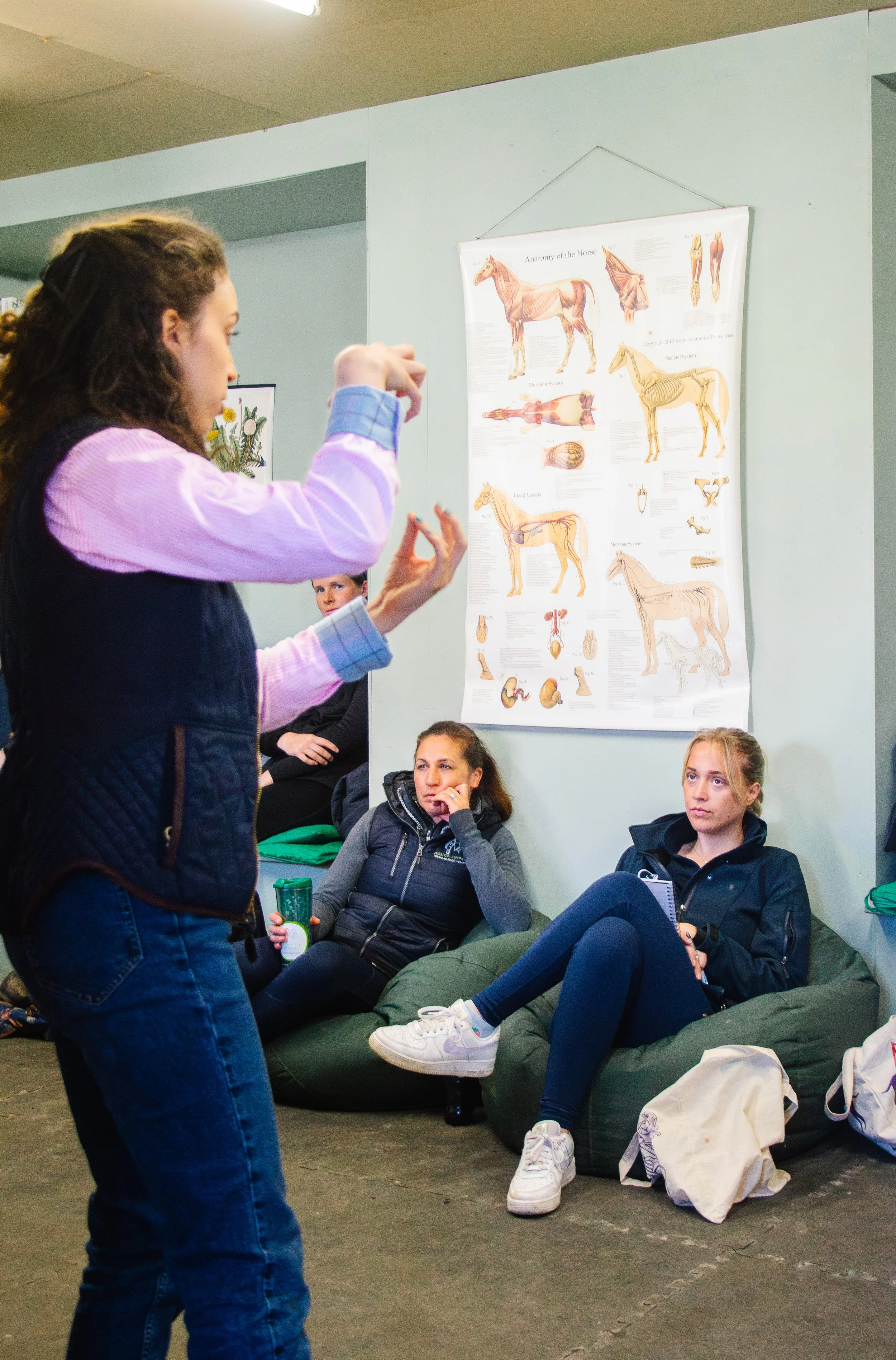
- Pioneering cadaveric dissection exploring the neurolymphatic and circulatory constructs, their interaction with the myofascial system, and how these can be positively affected by the practitioner to promote reductions in pain and optimal equine wellness
- Advanced understanding of how practitioner action and intention can facilitate a better, unspoken dialogue with the horse during treatment, to improve the therapeutic relationship
- Access to never-before-taught, new techniques developed under the Johnston Farina Method® trademark
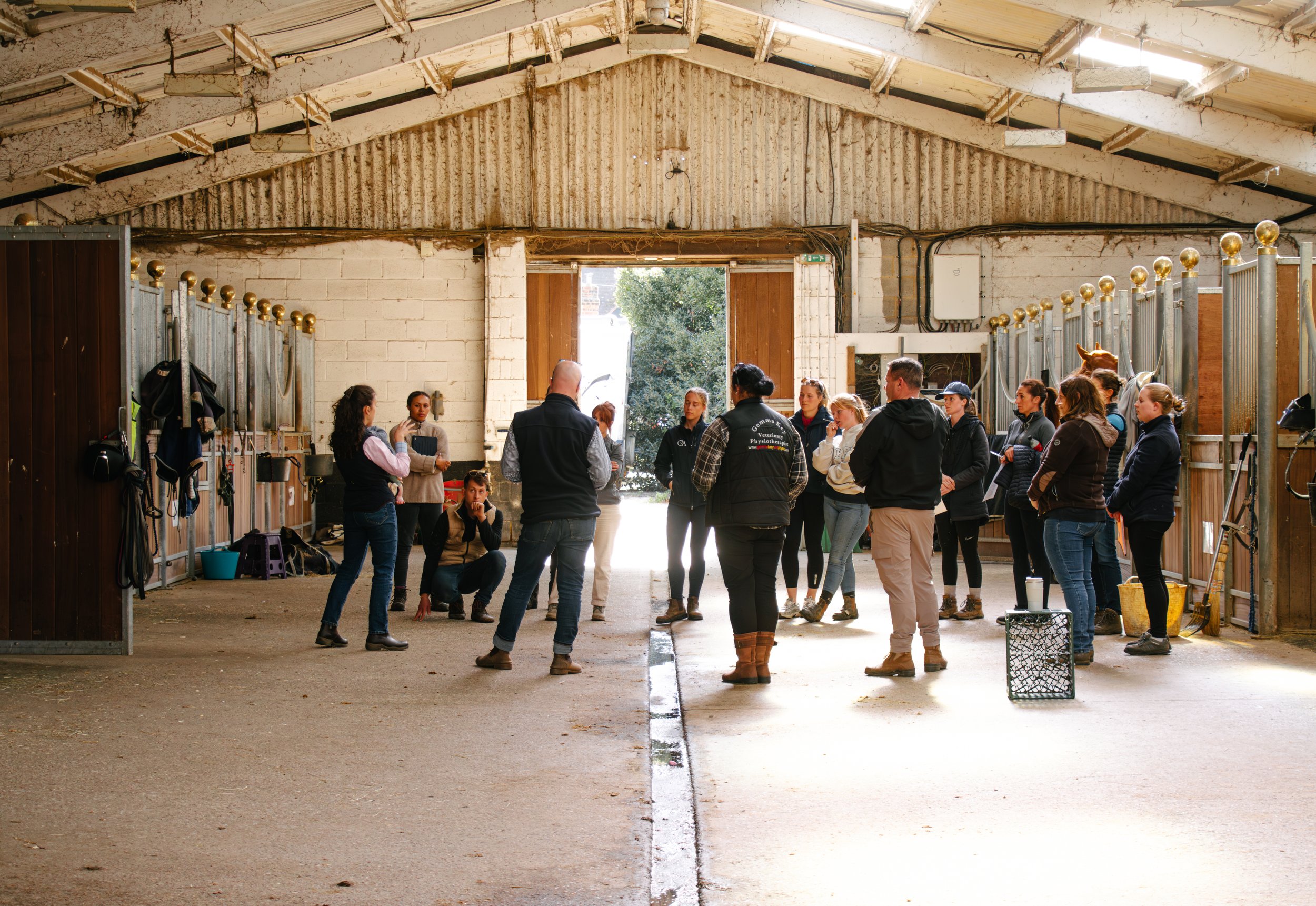
- Approx. 500 total hours of learning, of which approx. 200 hours are guided learning (a mixture of online and in-person study), 90 of these being face-to-face, hands-on practical hours

BEFORE YOU APPLY
ENTRY REQUIREMENTS
To enter this qualification, the learner must meet all of the following criteria at the point of enrolment:
- Hold a qualification in manual therapy at Level 4 or above (regulated or non-regulated), or demonstrate equivalent professional competency
- Hold current professional indemnity insurance appropriate to their practice
-
Demonstrate the following underpinning knowledge and practical skills:
- Anatomy and physiology of the equine
- Competent palpation skills
- Soft tissue treatment techniques
- Safe and confident equine handling
- Have reliable access to horses (of differing ages, and with differing physical ailments) throughout the duration of the programme, for the purposes of practical learning and assessment
The entry requirements will be discussed during an entry interview that we will carry out with all applicants — which is also a good opportunity for you to ask us any questions you may have about the course.
OFQUAL REGULATED | RQF LEVEL 6 | GATEHOUSE AWARDS | ≈500 LEARNING HOURS
REGISTER YOUR INTEREST
Enquire about the Level 6 Diploma, ask a question, or arrange an entry interview. We would be glad to hear from you.
READY TO APPLY?